
Law Office of Aaron P. McAllister — Criminal Defense — Free Case Review 24/7 · (310) 881-2786
Attorneys Practice
All practice areas DUI & Driving Domestic Violence Violent Crimes & Weapons Drug Crimes Theft, Fraud & Property Sex Offenses Juvenile Defense
Results Who We Defend Answers Guides
All guides Your First DUI in California The Ten-Day DMV Rule Restraining Orders Explained Can DV Charges Be Dropped? What Counts as a Strike The Preliminary Hearing PC 1000 Drug Diversion Charge pages — 6
Contact Free case review

Domestic Violence Defense in Los Angeles

A domestic violence arrest opens two cases at once. The criminal charge moves through court on its own schedule; a protective order — issued within hours, often before you are released — decides where you live, and whether you see your children, right now. Both have to be worked from the first day.

0tracksCriminal case & protective order
0yrA protective order can run this long
0wkThe program a conviction orders
0/7Our team answers, day & night

What you’re facing

The worry, and what we do about it

These are the five things people actually say on the first call. Each one has an answer, and none of them require you to have decided anything yet.

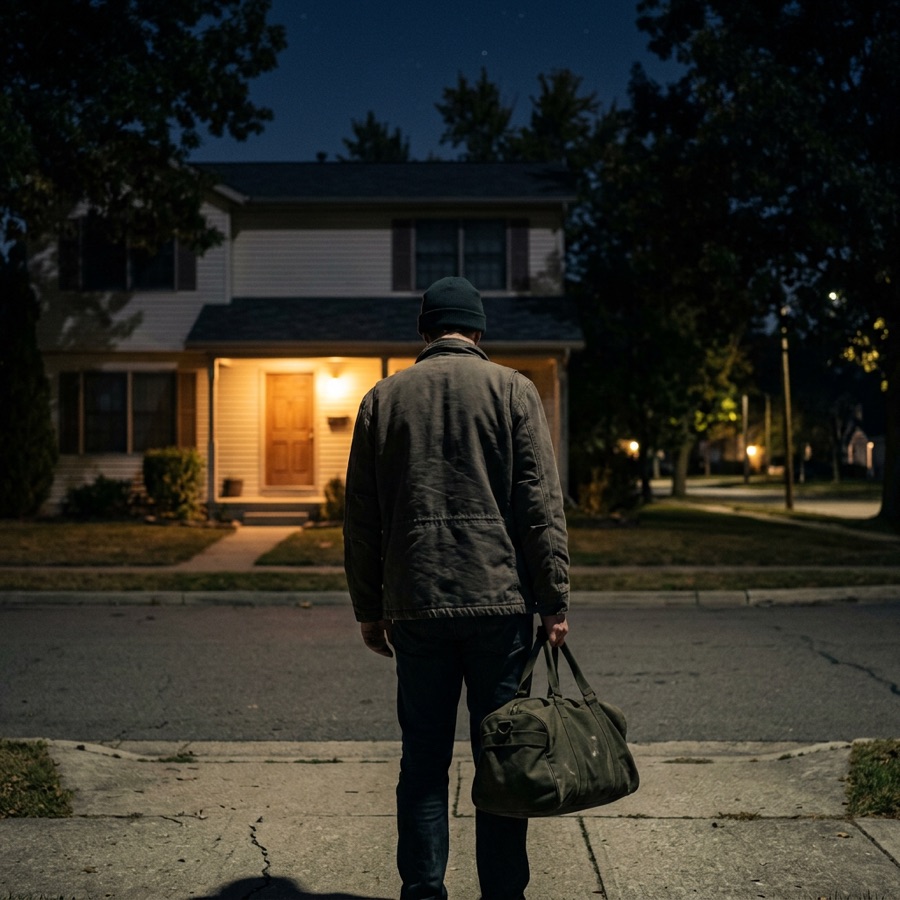
The order says I can’t go home.

An emergency protective order usually issues before anyone has heard your side. It can be narrowed — from full stay-away to peaceful contact — at the first hearing, and that hearing is preparable. Where you sleep next month is decided this month.

We both want this dropped. Can’t it just be dropped?

No — and knowing that early matters. Once charges are filed the case belongs to the prosecutor, not the person named as the victim. A recantation alone does not end it. What does move prosecutors is a prepared defense presentation, and that is buildable.

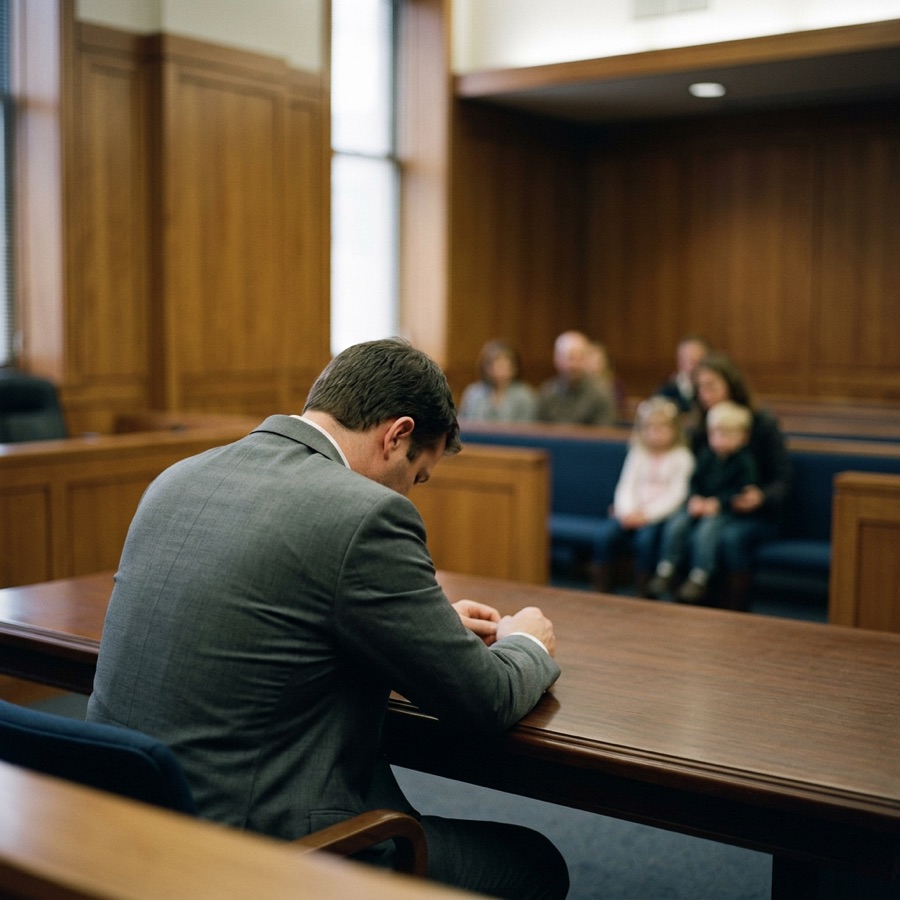
Will this cost me my kids?

The criminal case and the family court read each other. A protective order’s terms, a plea’s wording, even the police narrative can surface in custody proceedings — so every position taken in the criminal case is taken with the family court in view.

My job and my status are on the line.

A DV conviction carries consequences most people learn about too late: a ten-year firearm prohibition under state law, licensing exposure, and for non-citizens, deportability. The disposition is chosen for what it does to your record and status — not just the sentence.

It didn’t happen the way the report says.

Police at a DV call must often arrest someone, and the report is written in that hour. Injuries inconsistent with the account, the 911 audio, prior threats to call police, and a custody dispute in the background are all discoverable — and all argued.

If you call today

Four steps,both fronts held.

A DV case runs on two fronts at once — the criminal charge and the protective order. From the first call to the last hearing you always know what is happening on each, why, and exactly where you stand.

01

You reach Team Aaron

Send the case review or call the 24/7 line. The first thing we establish is whether charges have actually been filed — because before filing, the case can still be shaped.

Same day, always

02

The protective order, addressed

The order’s terms are challenged and narrowed at the earliest hearing — stay-away to peaceful contact, housing and children addressed — instead of left to run by default.

The order is fightable

03

Defense strategy

The 911 audio, body-cam, medical records and message history read in full. Strategy and a flat fee confirmed in writing before anything is filed.

Fee fixed in writing

04

Both fronts resolved

Dismissal, reduction or trial on the charge — and the order narrowed or lifted. Nothing is agreed on your behalf without your say-so first.

Your decision, every time

Privileged from the first call

Attorney–client privilege attaches before you have hired anyone.

The order checked first

If a protective-order hearing is coming, you are told what it decides in the first minute.

Nothing filed without you

Every position, plea and motion is explained and agreed first.

Start your case review

From the case files

How this defense works in practice

Domestic violenceD.A. reject

Felony DV rejected — no case filedOn the first scheduled court date

Four separate felony domestic-violence matters between December 2025 and July 2026 ended the same way: a mitigation package before the filing deputy, and the case rejected on the first scheduled court date.

Discuss your case
Mental-health diversion5 counts

Mental-health diversion — five countsAll to be dismissed on completion

Five counts including assault and vandalism routed into mental-health diversion, all to be dismissed upon completion of counseling. December 2025.

Discuss your case
Felony4 strikes · 10 felonies

No prison on a 21-year exposureProbation and community labor

Charged with four strikes and ten felonies and facing 21 years in state prison, the client left with no jail and no prison time — probation and community labor. June 2026.

Discuss your case
Felony · PC 422Preliminary hearing

Strike counts reduced to misdemeanorsAt the preliminary hearing — then diversion

Two felony criminal-threats counts — both strikes — reduced to misdemeanors at the preliminary hearing, with judicial diversion granted and dismissal in twelve months. March 2026.

Discuss your case
Judicial diversionPC 69 · 647 · 148(a)(1)

Every count into diversionAll charges to be dismissed in one year

Two matters in July 2026, six counts between them — judicial diversion granted on every count, with all charges to be dismissed in one year.

Discuss your case
01 / 04

Results drawn from the firm's published Avvo case results (2025–2026). Case results depend on the unique facts and law of each case. Prior results do not guarantee or predict a similar outcome in any future matter.

First hours

Common mistakes people make early

Contacting the protected personEven a reconciling text violates the order — PC 273.6 is a new, separate crime, and it is the single most common way a defensible case becomes two cases.
Explaining yourself to detectivesThe follow-up call from a detective is evidence-gathering, not fact-finding. The account you give in that call is the one the case is built around.
Letting the order hearing passThe first hearing is where stay-away terms can be narrowed. Missed, the broadest version of the order simply continues — housing, children and all.
Pleading early to end itA quick plea trades a frightening week for a ten-year firearm ban, a 52-week program, and for non-citizens possible deportability. The discount is rarely worth the price.
Posting or texting about the caseMessages to mutual friends, social posts and voicemails are all discoverable — and in a case about words and credibility, they are exhibits.
Going home to pick up your thingsEven for ten minutes, even with their blessing — entering the protected address violates the order. Courts arrange civil standby for exactly this; use it and the trip is legal.

Most of these cannot be taken back once made — and the no-contact order is in force right now.

Stage by stage

How a DV case actually runs

Two fronts, six stages — and the earliest ones move fastest. This is the shape of the case from the night of the arrest to the day the order is lifted.

01Arrest & emergency order Booked, and an emergency protective order usually issues the same night — before anyone has heard your side. Both fronts open here.
02The prefile window Before charges are filed, the decision sits with a reviewing attorney. A prefile presentation — messages, timeline, witnesses — can shape or stop the filing.
03Arraignment & the CPO The charge is read, a plea entered, and the court issues its own protective order. Its terms are argued, not accepted.
06Resolution & the order lifted The charge resolved and the order narrowed or ended.
05Negotiation or hearing With the record built, the case resolves by dismissal, reduction, diversion where eligible — or is set for trial.
04Discovery & motions 911 audio, body-cam, medical records and message history obtained and tested. Most DV cases turn on what this stage surfaces.
What each outcome carries, on paper
Comparison of PC 243(e)(1), misdemeanor PC 273.5 and felony PC 273.5
Case referencePC 243(e)(1)PC 273.5 misd.PC 273.5 felony
SeverityMisdemeanorMisdemeanorFelony (wobbler)
Custody exposure≤ 1 year≤ 1 year2 / 3 / 4 years
Batterer program52 weeks52 weeks52 weeks
Protective orderUp to 5 yrsUp to 5 yrsUp to 10 yrs
Firearms10-yr state ban10-yr state banLifetime federal ban
PriorableYesYes — raises later exposureYes

Figures are statutory ranges — actual exposure moves with injuries, priors and county practice. Confirm against current statute before relying on any number here.

Where cases turn

How these cases are fought

No defense is generic. These are the places a DV case most often turns once the 911 audio, the body-cam and the message history are read side by side.

Start your case review
01 The 911 call FOUNDATION What was reported in the moment rarely matches the charge as filed.

The 911 audio is the case’s first draft — recorded before positions hardened. Where the call describes an argument and the report describes a battery, that gap is the defense’s opening exhibit.

02 Injuries vs. account MEDICAL The documented injuries do not match the mechanism described.

Photographs and medical records are compared against the narrative — direction, age and placement of injuries. An account that does not fit the physical record loses credibility everywhere else too.

03 Motive to fabricate CREDIBILITY A custody dispute, a breakup or an immigration petition in the background.

Credibility is the whole case in most DV files. A pending family-court matter, a U-visa application or a documented history of threats to call police are all discoverable and all admissible on motive.

04 Self-defense & mutual struggle JUSTIFICATION Who was the aggressor is a conclusion, not a fact.

Police arriving mid-crisis must often arrest someone, and the primary-aggressor call is made in minutes. Defensive injuries, relative size, and who called for help are argued against that snap conclusion.

05 Recantation, used properly WITNESS A recanting witness does not end the case — but it changes it.

Prosecutors expect recantation and charge around it. Used properly — through counsel, on the record, consistent with the physical evidence — it narrows what the prosecution can prove beyond reasonable doubt.

06 Confrontation & hearsay PROCEDURE A case built on statements needs the witness on the stand.

Where the complaining witness does not testify, the prosecution’s hearsay workarounds meet the confrontation clause. What the officer says she said is not automatically evidence.

07 Prefile advocacy TIMING The best outcome is often the charge that was never filed.

Between arrest and filing, a reviewing attorney decides what this case becomes. A prepared prefile package puts the timeline, the messages and the witnesses in front of that decision while it is still open.

The statute, element by element

The full elements, presumptions and instruction references — folded so the page stays a page.

01PC 273.5 — corporal injury to a spouse or cohabitant

CALCRIM 840

  • The defendant willfully inflicted a physical injury
  • On a current or former spouse, cohabitant, or the parent of the defendant’s child
  • The injury resulted in a traumatic condition — any wound or bodily injury, however minor, caused by physical force
02PC 243(e)(1) — domestic battery

CALCRIM 841

  • The defendant willfully touched the person in a harmful or offensive manner
  • No injury is required — the offensive touching itself completes the offense
  • The relationship element mirrors 273.5 but extends to dating relationships
03Counterintuitive points
  • The victim cannot drop the charges. Once filed, the case is the People’s — recantation goes to proof, not to whether it proceeds
  • The order and the charge are separate. Beating the case does not automatically end a civil restraining order, and vice versa
  • A plea has a ten-year shadow. PC 29805 imposes a ten-year firearm prohibition on DV misdemeanors; federal law can make it lifetime
  • 1203.097 attaches to any DV probation — the 52-week program and minimum terms apply even on reduced charges when the relationship element remains

Go deeper

Charges in this area

The pages below go charge by charge. Each carries the same structure as this one: what it is in plain English, what it carries, and where it is fought.

PC 273.5

Corporal injury The wobbler at the center of most DV filings — misdemeanor or felony depending on injuries and priors. Page in preparation

PC 243(e)(1)

Domestic battery The misdemeanor: offensive touching, no injury required. Often where a 273.5 should land. Page in preparation

PC 273.6

Violating the order A new, separate crime — and the most common second charge in a DV file. Page in preparation

PC 422

Criminal threats Words as a wobbler. Turns on immediacy, specificity and sustained fear — all contestable. Page in preparation

PC 646.9

Stalking A course-of-conduct charge where context is everything and the message history is the battlefield. Page in preparation

PC 273a

Child endangerment Charged when children were present. Defensible — and critical for the family-court file. Page in preparation

From the desk

Straight answers, written down

Common questions

Answers

01She told the DA she doesn’t want to press charges. Is it over?

No. Once filed, the case belongs to the prosecutor, and DV units expect recantation. It still matters — a recanting witness changes what can be proven — but it must be used through counsel, properly and on the record.

02Can the protective order be changed so I can go home?

Often, yes. Courts can reduce a full stay-away order to a peaceful-contact order, particularly where housing and children are affected and the protected person supports it. It requires asking — at the right hearing, with the right showing.

03Is a first DV offense a felony?

Not necessarily. PC 273.5 is a wobbler — chargeable either way — and 243(e)(1) is a misdemeanor. Where it lands depends on injuries, priors and advocacy, which is why the earliest work matters.

04Will I lose my gun rights?

A DV conviction — even a misdemeanor — carries a ten-year California firearm prohibition, and federal law can make it lifetime. This is one of the main reasons a quick plea is expensive.

05What does this do to a custody case?

The family court will see the criminal file, and a DV finding shifts custody presumptions under Family Code 3044. Every position in the criminal case is taken with that in view.

06What should I bring to the first call?

Nothing is required. Most useful: the emergency order and citation, any court dates, your message history with the other party, names of anyone who saw or heard the incident, and photos of any injuries of your own.

Before charges are filed · the window that matters

Talk to us before you talk to anyone else.

The first conversation is free, confidential, and with Aaron — not an intake service. If charges have not been filed yet, we will tell you what a prefile presentation can still do — because that window closes quietly.

Reply time
Within one business hour, 8am–10pm, seven days
Courts
Los Angeles County Superior Court — all districts
§
Fees
Flat, quoted in writing after the review
Free DV case reviewConfidential · Same-day reply

Reviewed by Aaron directly. Submitting this form does not create an attorney–client relationship. Do not include information you would not want stored electronically.

Draft — pending firm verification
Prepared 28 July 2026 by ByteZero Marketing for review by the Law Office of Aaron P. McAllister. Primary sources: Pen. Code §§ 273.5, 243(e)(1), 273.6, 422, 646.9, 136.2, 1203.097, 29805; Fam. Code § 3044; CALCRIM 840, 841, 852A. Figures are statutory ranges and are affected by priors, enhancements, and county practice. Nothing on this page is legal advice, and no attorney–client relationship is created by reading it. To be revisited if the statutes, jury instructions, or county procedures change.